
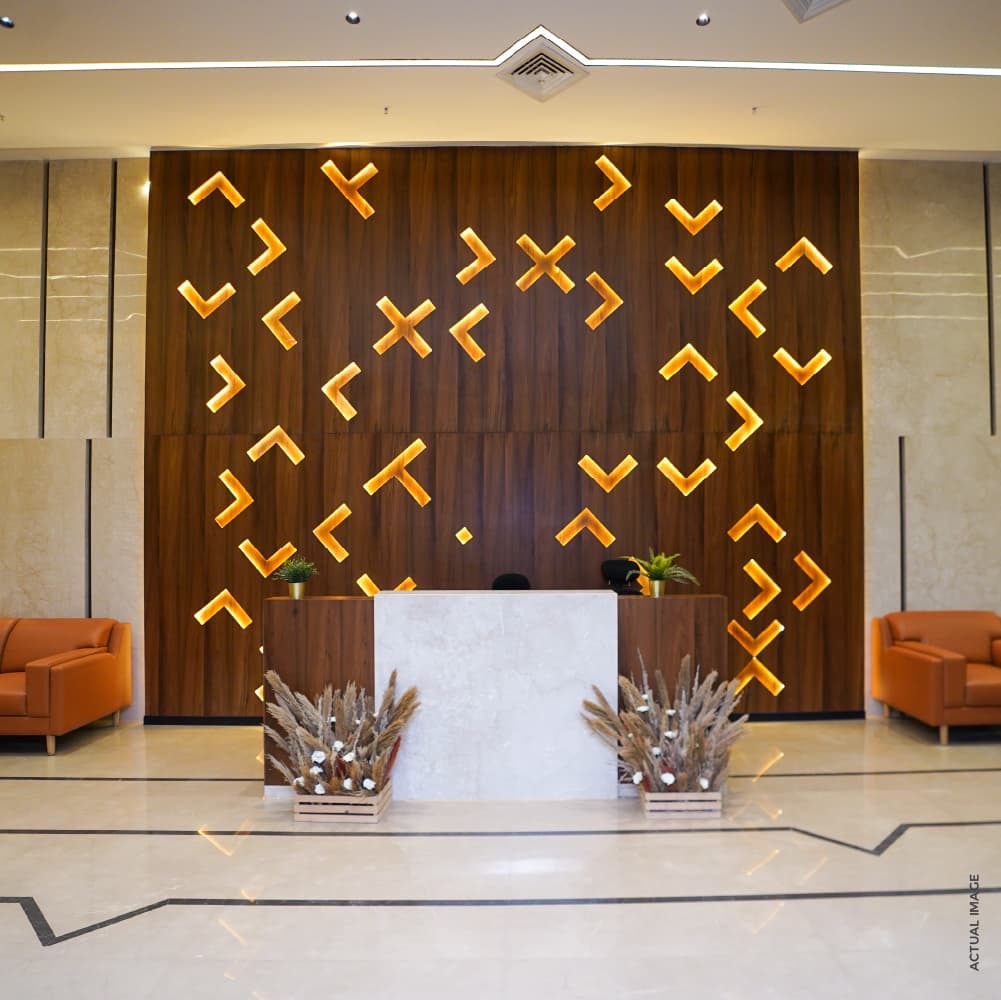
Tenancy at Cornerstone Worli is governed by a small set of clear, society-set rules — designed to keep the building family-quiet, well-maintained, and a good place to live for everyone in it. Most of these rules are not unusual for a premium Mumbai cooperative society. A few are particular to Cornerstone. This guide collects everything an owner letting out their residence and a prospective tenant should know before signing the leave-and-licence.
Who can rent at Cornerstone
Cornerstone is a residential building, not an investor-driven short-stay block. The society’s tenancy policy reflects that. Eligible occupants are:
- Families — with or without children, multi-generational included.
- Working-professional couples (married or in long-term partnerships).
- Single working professionals who take a full residence individually, subject to society approval.
Bachelors — defined as groups of unrelated adults sharing a flat — are not permitted.This is a long-standing society rule rather than a discretionary call by any one owner; it applies regardless of whether the tenancy is sourced through the building’s leasing desk, an external broker, or directly by the owner. The intent is to maintain the residential character of the building — predictable noise levels, predictable visitor flow, and a community that recognises one another in the lift.
A narrow exception exists for verified flatmate arrangements: two working professionals, both vetted, sharing a 2 BHK on a single registered leave-and-licence with society NOC. These are reviewed case-by-case and are not automatic. If you are exploring this route, our flatmate guide sets out how the arrangement works in practice.
What an owner needs to do before letting out
For owners, letting out a Cornerstone residence is a four-step sequence:
- Identify a tenant who meets the eligibility rules. You can use the building’s in-house leasing desk, an external broker, or your own network. The vetting standard is the same.
- Sign a leave-and-licence agreement for an 11-month or 22-month term, as you and the tenant prefer. Anything longer converts the arrangement to a tenancy under the Rent Control Act, which most owners avoid.
- Register the agreement with the Maharashtra sub-registrar. Stamp duty and registration are statutory and cannot be waived; the standard Mumbai practice is for the tenant to bear both, but it is negotiable.
- Apply for the society NOC.Submit the registered agreement, the tenant’s ID and address proof, the employer/family disclosure, and the police verification receipt to the society office. The NOC is issued by the society within its own processing timeline.
The owner remains responsible to the society for any breach of rules by the tenant during the licence period. This is the legal default across Mumbai cooperative societies and is worth pricing into your screening.
Documents the tenant should be ready with
Standard intake at Cornerstone, which mirrors most premium Worli buildings, asks the incoming tenant for:
- Government-issued photo ID for every named occupant (Aadhaar or passport).
- PAN card.
- Employer letter or last three salary slips; for self-employed tenants, GST registration or last two ITRs.
- Last landlord’s reference — usually a brief phone call rather than a written letter.
- Two passport-size photographs per occupant, for the society file.
- Police verification form (the building leasing desk assists with this).
For families, child IDs (school records or Aadhaar) are usually enough. For working couples, both partners are named on the agreement.
Amenity access — the same as owners
A common worry for incoming tenants is whether they will be treated as second-class residents on amenities. They are not. Cornerstone’s eighteen amenities — including the swimming pool, the gymnasium, the club house, the kids’ play area, the terrace garden, the party lawn and the multipurpose room — are available to tenants on the same terms as resident-owners. Bookings are made through the building app or the front desk; usage rules and guest-pass limits apply equally.
The valet and the automated 28-storey parking tower are available to tenants on the parking allotment that comes with the residence (the owner’s allotment is transferred to the tenant for the duration of the licence, via the standard parking-handover form).
Pets, deliveries, household help
Pets
Pets are permitted at Cornerstone subject to registration with the society office, current vaccination records, and an undertaking on common-area conduct. Specific limits and approvals are at the society’s discretion, so confirm the current pet policy before you move in with one.
Deliveries
Food deliveries, e-commerce and laundry pickups route through the building front desk and service lifts in line with the society’s standard handling.
Household help and drivers
Household help — cooks, cleaners, drivers, nannies — must be registered at the front desk with photo ID before being granted building access, in line with the society’s safety register.
Renovation and interior work
Cosmetic work — paint, light fittings, removable furniture, soft furnishing — is permitted during a tenancy with the owner’s written consent. Anything structural, including wall demolition, plumbing relocation, electrical re-wiring or any change visible from the façade, requires written approval from the owner and a separate fit-out NOC from the society. Work hours, fit-out deposits and contractor onboarding follow the society’s current interior-fit-out rules — check these with the society office before engaging a contractor.
Tenants doing major fit-outs are unusual; most Cornerstone residences are handed over with full interiors. If you are reading this section, have an early conversation with both the owner and the society office before any contractor arrives at site.
Move-in and move-out
Move-in dates are coordinated with the front desk to avoid lift congestion. A move-in coordinator from the building leasing desk accompanies the first arrival, walks the tenant through fire-exit locations, common-area onboarding and waste-segregation rules, and completes the handover inventory with the owner’s representative.
On move-out, the same inventory is reconciled, the parking allotment is returned, and any society deposits or pending dues are settled. The owner’s security deposit is released within the period agreed in the leave-and-licence, net of any documented damage or unpaid utility bills.
Common breaches — and how the society handles them
Cornerstone is a low-friction building because most rules are clear and most residents follow them. The breaches that do come up tend to be the ones predictable in any premium Mumbai building:
- Undisclosed long-stay guests. Long-staying guests need to be disclosed to the society in line with its guest policy; repeat undisclosed stays are treated as an undisclosed occupancy and can trigger a society notice.
- Unregistered household help.Service staff entering the building without front-desk registration are turned away. This is for the society’s safety register; there is no exception.
- Noise complaints.Common-area noise and after-hours disturbance are governed by the society’s standing rules; repeat complaints are reviewed by the secretary and may attract a society fine.
The society’s approach is consistently first-warning, written notice, then a graduated fine. Tenants in serious or repeat breach can have their NOC withdrawn, which constitutes grounds for the owner to terminate the leave-and-licence under the standard agreement.
Where to ask questions before you sign
For owners considering letting out their Cornerstone residence, the building leasing desk handles tenant matching, screening, document collection and the society NOC application as a single workflow. For prospective tenants, the same desk shares available residences and pre-screens for eligibility before you visit. In both cases, the starting point is the Rent at Cornerstone page, or the List Your Apartment page if you are an owner ready to go to market.
Background reading worth ten minutes: renting a flat in Worli for the wider market context, and how Worli landlords find good tenants for the owner-side process. For first-party orientation, the floor plans and curated resident perspectives are the best place to begin.
Final note
The rules above are not unusual. They are what a well-run premium Mumbai building looks like — clear standards, applied consistently, that make day-to-day life predictable for everyone in it. The bachelor restriction is the rule that surprises some prospective tenants, so it is worth being upfront about it before a viewing rather than discovering it after. The amenity access, the society NOC process, and the move-in coordination, on the other hand, are usually a positive surprise: tighter than the city average, and tilted firmly in favour of residents who want a quiet, well-kept building.